

Understanding the K League Split System and the 2026 Finale

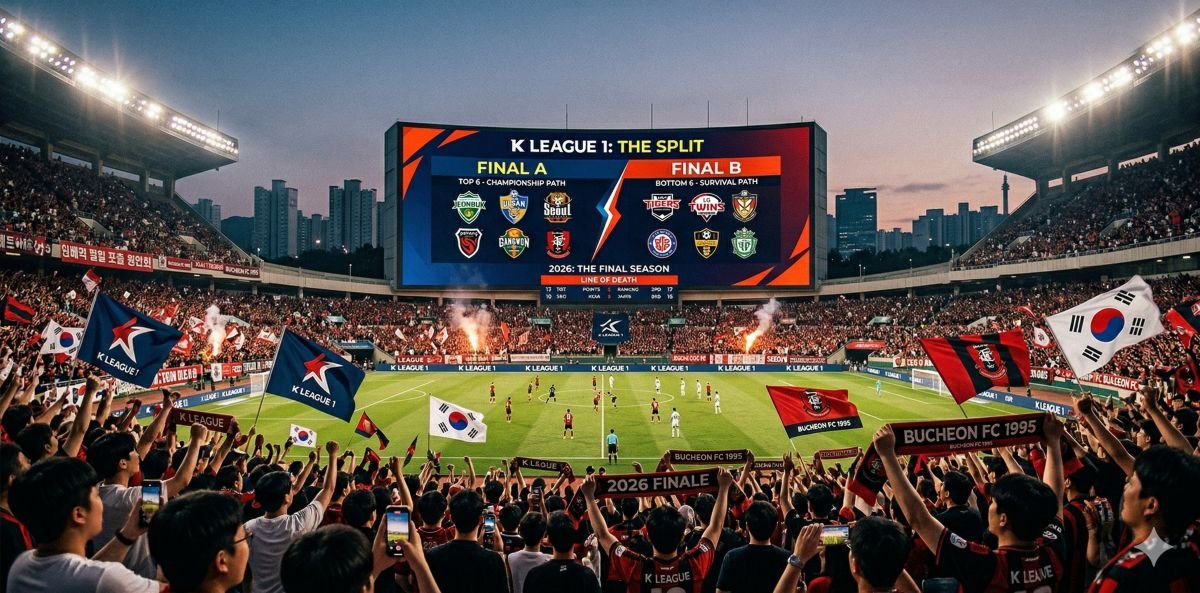
The 2026 K League 1 season represents a significant milestone for football fans in South Korea. It is a year of transition, marking the final time the league will use its signature split system before a major expansion in 2027. For anyone new to the league, the current structure can feel a bit like a puzzle. Unlike many European leagues where teams play each other a set number of times and the table stays as one unit, the K League adds a twist in the final stretch of the season. Understanding this format is key to following the drama of the current year, especially as the league prepares for a new era.
The Mechanics of the Split
At its core, the split system is a way to divide the twelve teams of K League 1 into two distinct groups during the latter part of the season. The league begins with a regular season where every team plays each other three times, totaling thirty-three matches. Once these games are completed, a line is drawn through the middle of the standings. This is often called the Line of Death by fans because it determines a club’s fate for the rest of the year.
The teams ranked from first to sixth move into a group called Final A. These clubs compete for the league title and qualification for continental tournaments like the AFC Champions League. The teams ranked from seventh to twelfth move into Final B. Their primary goal shifts to survival, as they fight to avoid relegation to the K League 2.
A crucial point for new observers is that points earned during the first thirty-three matches carry over into the final stage. However, once the split happens, a team in Final B cannot move up into Final A, even if they end the season with more total points than a team in the top half. This creates two separate mini-leagues for the final five matches of the year.
Read also: How to Read a K League Season: A First-Timer’s Guide to Formats, Splits, and Matchday Structure
A History of Change
The split system was not always part of Korean football. It was introduced in 2012 when the division had sixteen teams. At that time, the league was looking for ways to increase the intensity of matches and ensure that every game had something at stake. In the years that followed, the number of teams in the top flight fluctuated, moving to fourteen teams in 2013 and eventually settling on the twelve-team format that fans know today.
Over the last decade, the system has provided high levels of drama. Because Final B teams only play against other teams facing relegation, those matches often feel like cup finals. Similarly, every game in Final A is a high stakes encounter between the top clubs in the country. While the system can be confusing at first, it was designed to prevent teams in the middle of the table from having nothing to play for in the final weeks.
Bucheon FC 1995 and the 2026 Milestone
The 2026 season is particularly special for Bucheon FC 1995. This year marks the first time the club has ever competed in K League 1. Known to their fans as the Reds, Bucheon joined the top tier after a successful promotion campaign, following in the footsteps of clubs like Suwon FC and FC Anyang.
For Bucheon and their supporters, 2026 is a unique opportunity to experience the split system before it disappears. As the new kids in the league, their primary focus will likely be securing a spot in the top half or fighting for every point in Final B. Their presence adds a fresh narrative to the final year of this format, giving a local community a chance to engage with the structural quirks that have defined the league for over a decade.
Why the System is Ending
The decision to move away from the split system is tied to the expansion of K League 1. Starting in the 2027 season, the top division will grow from twelve clubs to fourteen. This expansion is a result of the growing health and popularity of professional football in South Korea.
To reach that fourteen-team goal, the 2026 promotion and relegation rules are quite specific. The top two teams from K League 2 will earn automatic promotion to the 2027 top tier. Additionally, the winner of a final promotion playoff will also move up. This path to expansion makes the split system logistically difficult to maintain. With fourteen teams, a split would create odd numbers or require a schedule that is too long for the calendar.
What Happens in 2027
When the 2027 season kicks off, fans will see a more traditional league structure. The fourteen teams will compete in three round robins. This means every team will play each other three times, and the final standings will be determined by the single, unified table after all matches are finished.
This move toward a larger, more conventional league reflects a desire for stability and simplicity. It allows for a straightforward narrative where every team’s position is always relative to everyone else in the league. While the split system brought a unique energy to the end of the season, a fourteen-team league provides a broader representation of cities and regions across Korea.
The Final Drama of 2026
For the fans currently filling stadiums in 2026, the focus remains on the present. The upcoming split in the latter half of the year will be the final time that the Line of Death is drawn. It is a chance to celebrate the intensity that this format has provided since 2012.
As teams like the LG Twins and Kia Tigers continue their traditional rivalries, and newcomers like Bucheon FC 1995 find their footing, the structural change looms in the background. The end of the split system is a sign of progress, marking the moment when the K League outgrows its current clothes and moves into a larger stadium. For now, supporters can enjoy the specific tension of Final A and Final B one last time, knowing that they are witnessing a closing chapter in the history of the sport.