

How the Robot Umpire Changes the Game: A Beginner Guide to the KBO ABS System

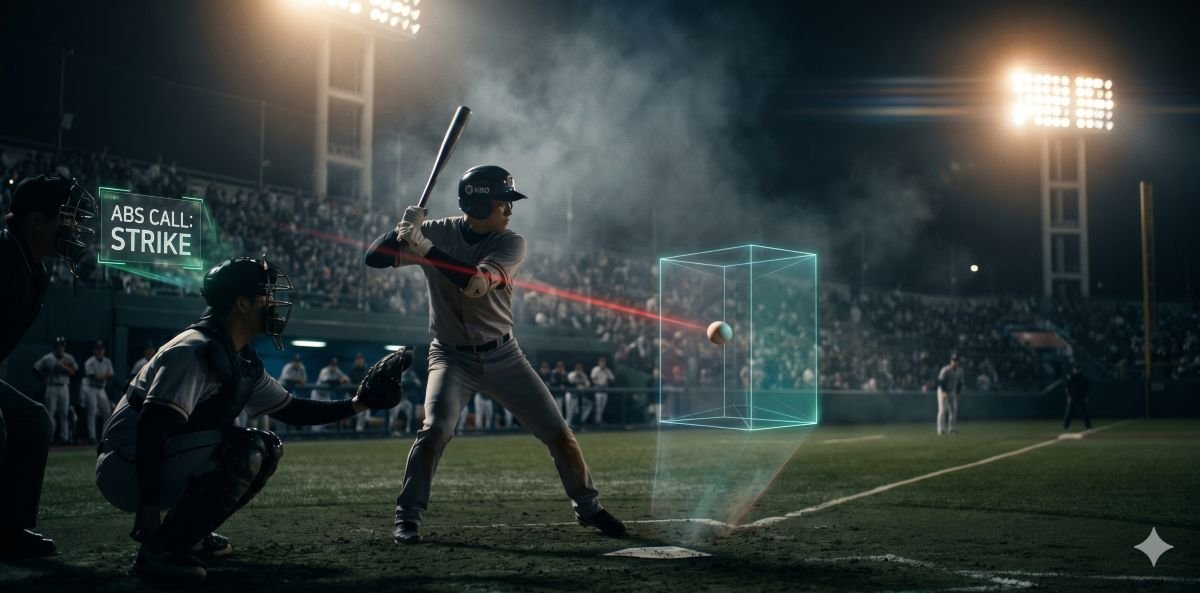
Fans walking into Suwon KT Wiz Park or cheering for the SSG Landers this season are witnessing a historic shift in professional sports. The Korea Baseball Organization (KBO) has officially moved into the future by becoming the first major professional league to fully implement the Automated Ball-Strike System, commonly known as the ABS. While the game looks the same from the bleachers, the technology behind every pitch has fundamentally changed how strikes are called and how teams compete.
The Mechanics of the “Robot Umpire”
For a beginner fan, the term “Robot Umpire” might conjure images of a mechanical figure standing behind home plate. In reality, the ABS is a sophisticated network of technology that operates invisibly. The system relies on multiple high-speed, high-resolution cameras positioned around the stadium. These cameras track the baseball in three dimensions from the moment it leaves the pitcher’s hand until it crosses the catcher’s glove.
The most impressive part of the system is how it handles the strike zone. In the past, the strike zone was often a static box that stayed the same regardless of who was hitting. With the ABS, the system creates a personalized strike zone for every player. By measuring a batter’s height and stance, the computer calculates a zone that is mathematically fair for that specific individual. This ensures that a tall slugger and a shorter leadoff hitter are treated with the same level of precision.
The Communication Loop: Human and Machine
Despite the high-tech tracking, human umpires have not disappeared from the field. Their role has simply evolved. Once the cameras and the computer determine whether a pitch is a strike or a ball, that data is instantly processed and sent through a communication loop.
The home plate umpire wears a specialized earpiece. Within a fraction of a second, a voice in the earpiece relays the call. The human umpire then makes the physical signal—the classic punch-out for a strike or the spread arms for a ball. This hybrid approach keeps the traditional rhythm and atmosphere of baseball intact while ensuring the data driving the game is objective.
Why “Catcher Framing” is Disappearing
One of the biggest impacts for new fans to understand is the decline of a skill called “framing.” For decades, catchers were praised for their ability to subtly move their gloves toward the center of the zone after catching a ball. The goal was to trick the human eye of the umpire into calling a “ball” a “strike.”
Under the ABS, framing no longer works. Since the computer tracks the ball as it passes through the zone, it does not matter where the catcher’s glove ends up. This change has led to a more predictable game where pitchers are rewarded for hitting their targets rather than relying on a catcher’s sleight of hand. For a new fan, this makes the game much easier to follow, as the calls are based on physics rather than persuasion.
Impact on Local Teams: KT Wiz and SSG Landers
In the Gyeonggi and Incheon regions, teams like the KT Wiz and SSG Landers are adjusting their strategies to fit this new reality. Pitchers who specialize in “painting the corners” of the zone are finding that the ABS is incredibly consistent. Unlike human umpires, who might have a “tight” or “loose” zone depending on the inning or the weather, the ABS remains the same from the first pitch to the last.
This consistency helps beginners understand the game better. If you see a pitch on the broadcast tracker that clips the very edge of the zone, it will be called a strike every single time. There is no longer the confusion of seeing the same pitch called differently in the ninth inning than it was in the first. For those interested in how these rules impact the final results, it is helpful to look at how official results override broadcast results in various sporting contexts to ensure accuracy.
Why Some Calls Look “Wrong” from the Stands
It is common for fans at Suwon KT Wiz Park to boo a strike call that looked like it was in the dirt or outside. This happens because the ABS tracks the ball as it passes through a three-dimensional plate. Sometimes, a “breaking ball” like a curveball can clip the very top or back of the strike zone before landing low in the catcher’s mitt.
To the naked eye, it looks like a low ball. To the ABS cameras, it is a strike because it touched the designated zone at some point during its flight. Understanding this helps new fans appreciate the complexity of pitching and why the “Robot Umpire” is actually more accurate than the human perspective from a seat in the stands.
The Global Significance of the KBO
The KBO’s move to the ABS is a massive experiment that the rest of the world, including Major League Baseball in the United States, is watching closely. By removing the “human element” from the most controversial part of the game, the KBO is prioritizing fairness and transparency.
This technological shift is part of a broader trend where 데이터 지연과 코트사이딩-정보 확보를 위한 경주 (the race for information and data accuracy) is becoming the central focus of modern sports. For the fans in Korea, being the first to experience this means they are at the forefront of a global revolution in how we watch and understand sports.
As the season progresses, the ABS will continue to be a talking point. Whether you are a die-hard KT Wiz supporter or just starting to follow the KBO, the “Robot Umpire” ensures that the game you are watching is decided by the players’ skills and the flight of the ball, exactly as the rules intended.