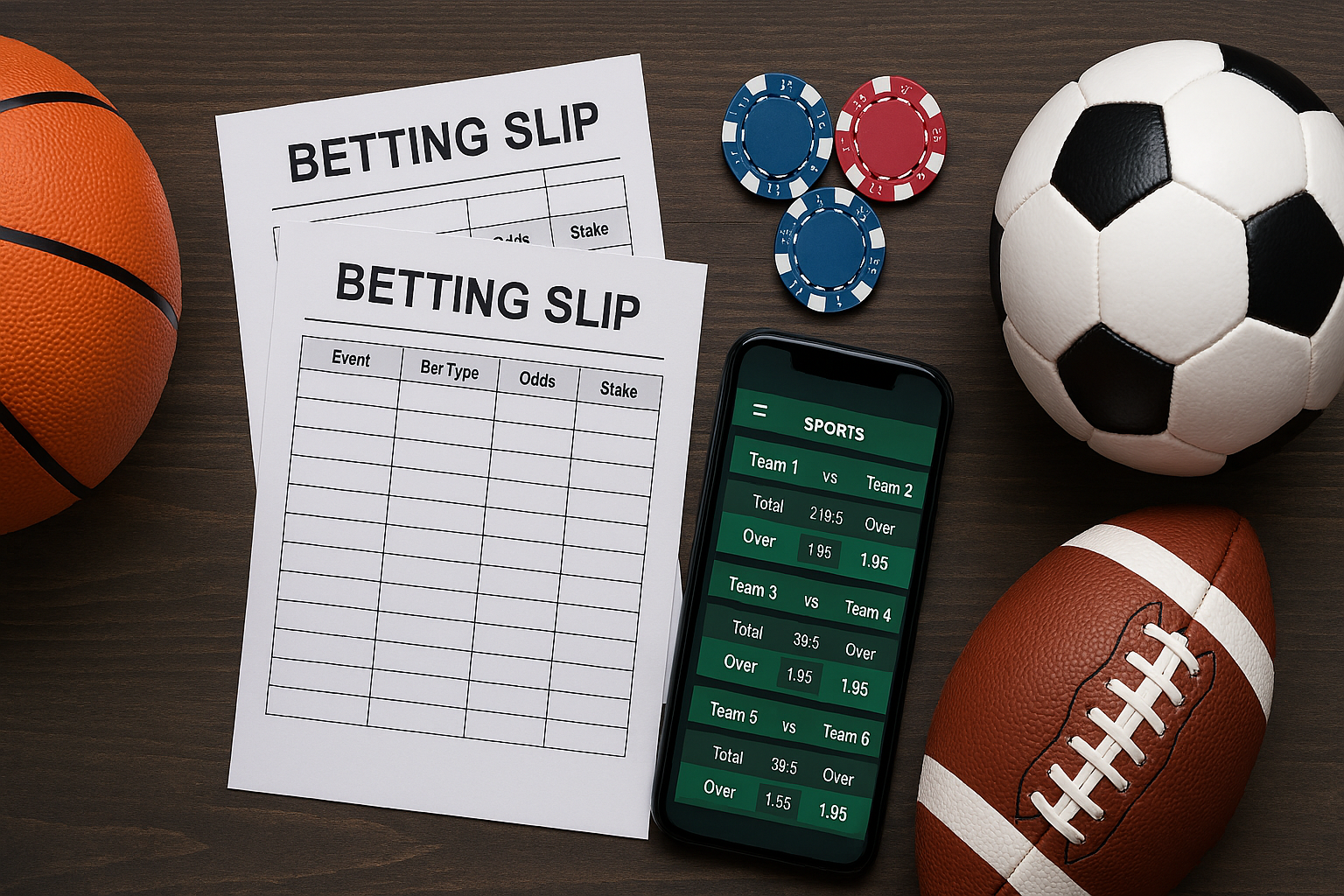


When a match is abandoned, most betting companies follow a standard rule where bets are kept active for 24 to 48 hours to see if the game will be replayed. If the match is not finished within this specific time frame, the bets are usually declared “void,” and the money is returned to the player’s account. However, any part of the bet that was already decided before the match stopped, such as a “first goalscorer” or “half-time result,” is still settled as a win or a loss. This system is designed to be fair to both the player and the bookmaker by recognizing what actually happened on the pitch while protecting everyone from the unpredictability of a canceled event.
The “Already Decided” Rule
The most important thing to understand is the difference between a total refund and a settled bet. If you bet on a team to win the whole game and the match is stopped after 20 minutes, that bet cannot be decided. There was still a lot of time left for the score to change. In this case, your money comes back to you.
But if you placed a bet on something that happened very early, the result is final. For example, if a player scores a goal in the 10th minute and the match is abandoned in the 60th minute, anyone who bet on that player to score will get their winnings. As the official rules for many large companies state, “Bets on all markets which have been unconditionally determined will stand.” This means once the event happens, it is recorded in the books forever, regardless of whether the referee finishes the game.
Sport-Specific Time Requirements
Different sports have different rules for what counts as a “full” game. In American Football, for instance, a match is usually considered official for betting purposes if at least 55 minutes of play have occurred. If a game is stopped at 56 minutes because of a storm, the current score is often used as the final result for betting.
In basketball, the NBA usually requires 43 minutes of play. Baseball has a different system called the “8.5 innings rule.” If the home team is winning after 8.5 innings and the game is stopped, the result is official. If the game is stopped earlier, the bets are often voided. These rules ensure that enough of the game was played to make the result fair.
“The rules are there to provide a clear line in the sand,” says Steve Ketteley, a legal expert who specializes in sports betting regulations. “Without these time limits, there would be too much arguing about whether a result was ‘real’ or not. By having a set number of minutes, everyone knows exactly where they stand the moment the lights go out.”
The 48-Hour Window and Rescheduling
When a match is stopped, it isn’t always canceled forever. Sometimes, the teams agree to play the rest of the game the next day. Most betting sites will wait for a short period, typically 48 hours, to see if the game restarts. If the game happens within this window at the same stadium, your bet usually stays alive.
If the match is moved to a different country or played much later, the rules change. In those cases, the original bet is canceled, and you would need to place a new one for the rescheduled game. This is especially common in international tournaments like the World Cup.
Isabelle Falque-Pierrotin, the President of a major gambling authority, emphasizes that transparency is key in these moments. “The goal is to ensure that the legal gambling offer is fair and recreational,” she notes. “Players need to feel confident that their money is safe when things beyond their control, like weather or power failures, stop the action.”
Impact on Multi-Bets and Accumulators
Many people like to place “accumulator” bets, where they pick the winners of five or six different games. If one of those games is abandoned, it can feel like the whole bet is ruined. However, the industry has a simple solution. The abandoned game is simply removed from your list.
If you had a four-game bet and one game is voided, your bet simply becomes a three-game bet. The betting company recalculates the odds based on the three games that actually finished. You won’t win as much money as you originally thought, but your bet is still active. This prevents a single rainstorm in one city from ruining a player’s entire weekend of sports.
Data and Trends in 2026
As we move through 2026, the betting industry is larger than ever. Recent reports from the American Gaming Association show that sports betting revenue reached nearly $17 billion in 2025, a huge increase from previous years. With so much money being wagered, the frequency of match delays has become a serious topic for data analysts.
In 2025, approximately 2.8% of all professional outdoor matches in Europe and North America faced a significant delay or abandonment. While this seems like a small number, it represents millions of individual bets that must be processed.
| Sport | Typical Minimum Play for Official Result | Void Rule Window |
| Soccer | 90 Minutes (usually) | 48 Hours |
| NFL | 55 Minutes | 24-48 Hours |
| NBA | 43 Minutes | 24-48 Hours |
| MLB | 8.5 Innings (if home leads) | 36 Hours |
Technology and Faster Refunds
In the past, players had to wait days to see their money returned after a canceled game. Today, AI-driven systems and real-time data feeds allow for almost instant refunds. As soon as the official league office declares a match “abandoned,” the betting apps can process thousands of voided bets in seconds.
This speed is important because it keeps the players engaged. If a match is canceled at 2:00 PM, a player might want their money back so they can bet on a different game starting at 4:00 PM.
“We are moving toward a world where the settlement is as fast as the action itself,” says Robert Hall, a retired coach and sports consultant. “The technology now allows the bookmaker to see exactly when a referee makes a decision, and that data flows directly to the user’s phone. It’s a much better experience than it was ten years ago.”
In conclusion, match abandonment is a part of sports that nobody likes, but the rules are designed to be as logical as possible. By protecting already decided outcomes and providing clear time limits for everything else, the industry ensures that a bit of bad weather doesn’t turn into a financial headache for fans.