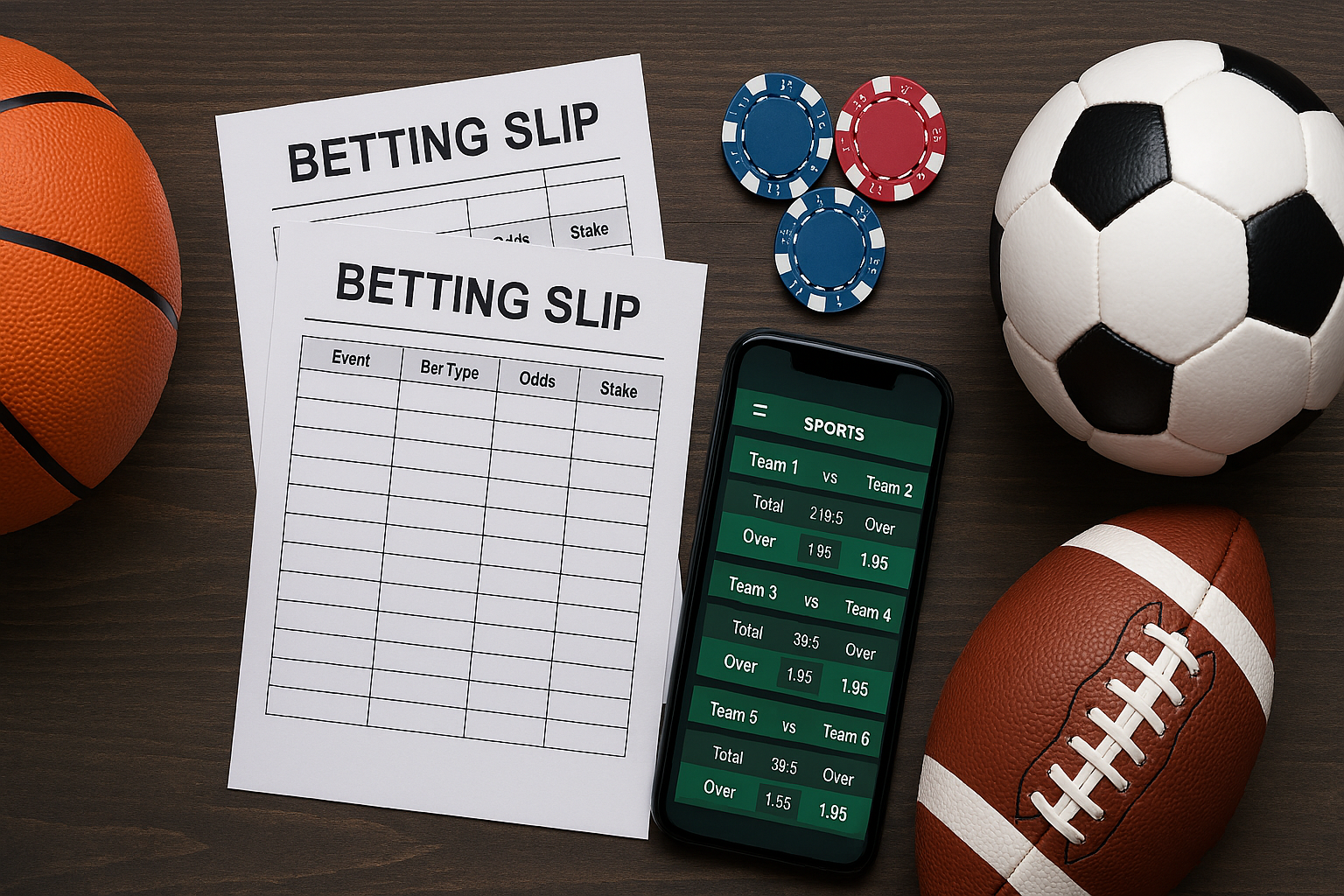

When a sports match is delayed or stopped, bets are usually kept active for a specific time, often 24 to 48 hours, to see if the game restarts. If the match does not continue within this window, the bookmaker typically cancels the bet and refunds the money to the player, which is known as making the bet “void.” However, if a specific part of the bet was already decided before the delay, such as which team scored the first goal, that part of the bet remains valid and is settled as a win or a loss. This system ensures that players do not lose money on games that never reach a fair conclusion while still honoring the events that actually happened on the field.
The Standard Rules for Delays
The rules for settling bets during delays are not the same for every sport or every website. Most large betting companies use a “48-hour rule” for football matches in Europe. If a game is stopped due to bad weather or a power failure, the company waits two days. If the teams do not finish the game in that time, all bets that were not yet finished are refunded.
In the United States, sports like American Football and Basketball have even more specific rules. For an NFL game to be considered “official” for betting purposes, at least 55 minutes of the game must be played. If a storm stops the game after only 30 minutes and the game is not finished later, the bets are voided. For the NBA, the requirement is usually 43 minutes. These rules exist to make sure that the result of the match is based on a significant amount of play rather than a short period of luck.
How Partial Results are Handled
One interesting part of betting is how companies handle “determined” markets. This refers to bets where the outcome is already known, even if the whole match is not finished. For example, if you bet that a specific player would score a goal in the first half, and they did, you will get your winnings even if a huge rainstorm stops the game in the second half.
“For markets that are already determined, in the event of early abandonment, any bets accepted on these markets will stand,” notes a guide from a major European betting site. This means the company looks at the timeline of the match. If the event you bet on happened before the referee blew the whistle to stop the game, the bet is settled. If the event was supposed to happen later, the money goes back into your account.
The Scale of the Issue
The financial impact of match delays is quite large. By the end of 2026, the global online gambling market is expected to reach $143.17 billion. With millions of people placing bets every day, even a single weekend of bad weather in a major league can affect tens of millions of dollars in active wagers.
Data shows that during the 2024-2025 winter season, approximately 3% of professional outdoor sports matches in Northern Europe faced some kind of delay or postponement. For the betting industry, this means they must have very clear systems in place to handle thousands of refunds instantly. If they do not, they risk losing the trust of their customers.
Expert Perspectives on Fairness
Legal experts believe that clear rules are the only way to keep the industry fair. Steve Ketteley, a legal expert who works with the gambling industry, has discussed how difficult it can be for regulators to manage all the different scenarios that can happen during a live event. He explains that having set rules for delays helps prevent arguments between the company and the player.
Isabelle Falque-Pierrotin, who leads a major gambling authority in France, also emphasizes the need for transparency. “The goal is to ensure that the legal gambling offer is fair and recreational,” she says. This includes making sure that players know exactly what will happen to their money if a game is canceled. Without these rules, companies could choose to keep the money, which would be unfair to the people who placed the bets.
Impact on Multi-Bets and Accumulators
Delays can be especially confusing for players who have placed “accumulator” bets, where they pick several matches at once. If one match in a list of five is delayed and then voided, the whole bet usually stays active, but that specific match is removed from the calculation.
For example, if you bet $10 that four teams will win, and one game is canceled, your bet becomes a three-team bet. The odds are adjusted, and your potential prize becomes smaller. This is a standard practice that prevents one canceled game from ruining a person’s entire weekend of sports.
Technology and Real-Time Updates
As we move through 2026, technology is making the settlement process much faster. Betting apps are now linked directly to official league data feeds. This allows them to see the exact second a match is officially abandoned.
In the past, players might have waited days to get a refund. Now, AI-driven systems can process thousands of “void” bets in less than a minute. This speed is important because it allows the player to use that money to bet on a different game that is actually happening.
The world of sports betting is built on data and rules. While it can be frustrating to have a match delayed, the system of voiding and partial settlement is designed to be as fair as possible. By waiting for a specific window of time and checking which events actually took place, bookmakers try to balance the interests of the business with the rights of the players.